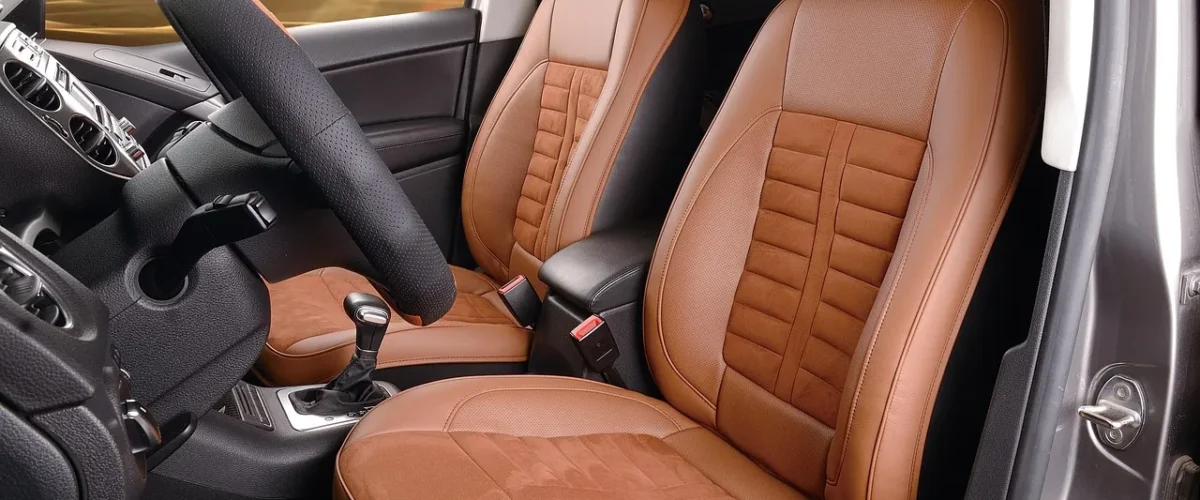
Are Seat Protectors Under Car Seats Safe
Looking for are seat protectors under car seats safe? Here’s what actually matters before you spend. When choosing seat protectors for your car’s interior, it’s crucial to prioritize safety and comfort. These protectors should be made from non-toxic materials that do not interfere with the functionality of car seats or airbags. Ensure they fit securely without causing any movement or instability in the car seat. Opt for breathable fabrics to prevent overheating and maintain hygiene. Always check that the protector does not compromise the safety harnesses or straps, ensuring your child remains safely secured during travel.
What to Look for When Choosing Seat Protectors Under Car Seats
When considering seat protectors under car seats, it’s important to prioritize safety and comfort while protecting your vehicle’s interior. Here are some key factors to consider:
-
Material Quality: Opt for high-quality materials such as durable fabrics or waterproof vinyl that can withstand daily use without compromising on hygiene.
-
Ease of Installation and Removal: Look for seat protectors that are easy to install and remove, ensuring they fit snugly under your car seat without causing any discomfort to the child.
-
Non-Slip Design: Ensure the protector has a non-slip backing to prevent it from moving around during use. This is crucial for maintaining stability and preventing accidents.
-
Washability: Choose protectors that are machine washable or can be easily cleaned, ensuring they remain hygienic over time.
-
Size Compatibility: Make sure the protector fits well under your specific car seat model without any gaps where spills could seep through to the vehicle’s upholstery.
-
Safety Certifications: While it’s important not to invent safety standards, look for products that meet recognized industry guidelines and are designed with child safety in mind.
-
Child Comfort: Ensure the protector does not interfere with the proper installation or adjustment of car seats, maintaining optimal safety and comfort for your child.
By considering these factors, you can choose a seat protector that effectively protects your vehicle’s interior while ensuring the safety and comfort of your child.
Top Picks and Why They Stand Out
When choosing seat protectors for your car, it’s important to select products that not only keep your vehicle clean but also ensure the safety of your child. Here are some top picks that stand out in terms of quality and functionality:
-
Waterproof and Easy-to-Clean Materials: Look for seat protectors made from high-quality waterproof materials such as PVC or TPU (Thermoplastic Polyurethane). These materials prevent liquids from seeping through, ensuring your car seats stay clean and dry.
-
Non-Slip Design: A reliable non-slip backing is crucial to keep the protector in place during travel. This feature prevents it from shifting around and compromising safety or comfort.
-
Comfortable Fit: Ensure that the seat protector fits snugly without restricting movement or causing discomfort for your child. The best protectors are designed with a contour fit, accommodating various car seat models and sizes.
-
Easy Installation and Removal: Choose products that are easy to install and remove, making it convenient to clean or adjust as needed. Quick-release buckles or simple straps can make this process much smoother.
-
Durable Construction: Opt for protectors made with durable materials that can withstand regular use without tearing or wearing out quickly. This ensures longevity and continued protection for your car seats.
By focusing on these key features, you can find a seat protector that not only keeps your vehicle clean but also provides peace of mind regarding the safety and comfort of your child during travel.
How to Choose the Right One
When choosing seat protectors for your car, it’s important to prioritize safety and comfort while ensuring that they do not compromise the functionality of your vehicle’s safety features. Here are some key considerations:
-
Compatibility: Ensure the protector fits snugly under your car seats without obstructing airbags or other safety mechanisms. A good fit will also prevent movement during travel, reducing wear on your car’s upholstery.
-
Material Quality: Opt for protectors made from high-quality materials that can withstand daily use and cleaning. Avoid products with sharp edges or loose parts that could pose a risk to children.
-
Ease of Use: Choose protectors that are easy to install and remove without the need for tools or complicated instructions. This ensures they will be used consistently, maintaining their effectiveness over time.
-
Durability: Look for seat protectors designed to last through regular use and cleaning cycles. Durable materials like thick fabric or plastic can withstand daily wear and tear better than thinner alternatives.
-
Hygiene and Cleaning: Consider the ease of cleaning when selecting a protector. Products that are machine washable or easily wiped clean will help maintain hygiene, especially important for families with young children.
-
Aesthetics: While safety is paramount, consider how the protector looks in your car. A well-designed protector can complement your vehicle’s interior without looking out of place.
By carefully considering these factors, you can choose a seat protector that enhances both the appearance and functionality of your car while ensuring it remains safe for all passengers.
What to Avoid
When considering seat protectors for use under car seats, it’s important to prioritize safety and comfort. Here are some key points to keep in mind:
-
Flammable Materials: Ensure that the material used is flame-resistant or fire-retardant. Flammable materials can pose a significant risk during emergencies.
-
Toxic Chemicals: Avoid products made with toxic chemicals such as PVC, phthalates, and BPA. These substances can be harmful if they come into contact with your child’s skin over extended periods.
-
Poor Quality Construction: Opt for seat protectors that are well-constructed to prevent tearing or unraveling. Weak stitching or flimsy materials can lead to premature wear and tear, compromising the product’s effectiveness.
-
Inadequate Cushioning: Look for products with appropriate cushioning that won’t interfere with the installation of car seats. Excessive padding could reduce the stability and safety of your child’s seat.
-
Slippery Surfaces: Ensure that the surface is not too slippery, which can cause the car seat to slide around during travel. This instability poses a risk for improper positioning or movement during sudden stops.
-
Difficult Installation: Choose protectors that are easy to install and remove without compromising the integrity of your car’s seats or the installation of the car seat itself. Complex setups may lead to incorrect use, reducing overall safety.
-
Unsuitable Fit: Avoid products that do not fit properly in your vehicle. A poor fit can create gaps or spaces where a child’s limbs might get trapped or injured.
By avoiding these common pitfalls, you can ensure that any seat protector you choose enhances the comfort and cleanliness of your car without compromising safety.
Frequently Asked Questions
Q: Are seat protectors compatible with all types of car seats?
A: Seat protectors are generally designed to be compatible with most standard car seats, but it’s important to check the manufacturer’s guidelines or consult a professional to ensure proper fit and safety.
Q: Can using a seat protector compromise the effectiveness of the car seat in an accident?
A: Using a properly installed seat protector should not affect the performance of your car seat during accidents. However, always follow installation instructions carefully to avoid any issues.
Q: How do I clean a seat protector for my car seat?
A: Most seat protectors can be cleaned according to their material type—typically by wiping with a damp cloth or following specific care instructions provided by the manufacturer.
Q: Are there any age restrictions when using seat protectors under car seats?
A: There are no specific age restrictions, but it’s crucial that the use of a seat protector does not interfere with the correct installation and usage of the car seat for the child’s safety.
Ensuring Proper Installation for Maximum Safety
When installing seat protectors under car seats, it is crucial to ensure they do not interfere with the proper installation or functionality of the car seat itself. Always refer to your car seat’s manual and follow the manufacturer’s guidelines closely. Avoid using any product that could compromise the integrity of the car seat harnesses or reduce its ability to secure your child safely during a collision. Proper installation typically involves ensuring there are no gaps between the car seat and vehicle seat, and that the seat protector does not cause excessive movement or slippage of the car seat. Additionally, check for any manufacturer warnings against using additional products under the car seat. Regularly inspect the installation to ensure it remains secure and effective over time.