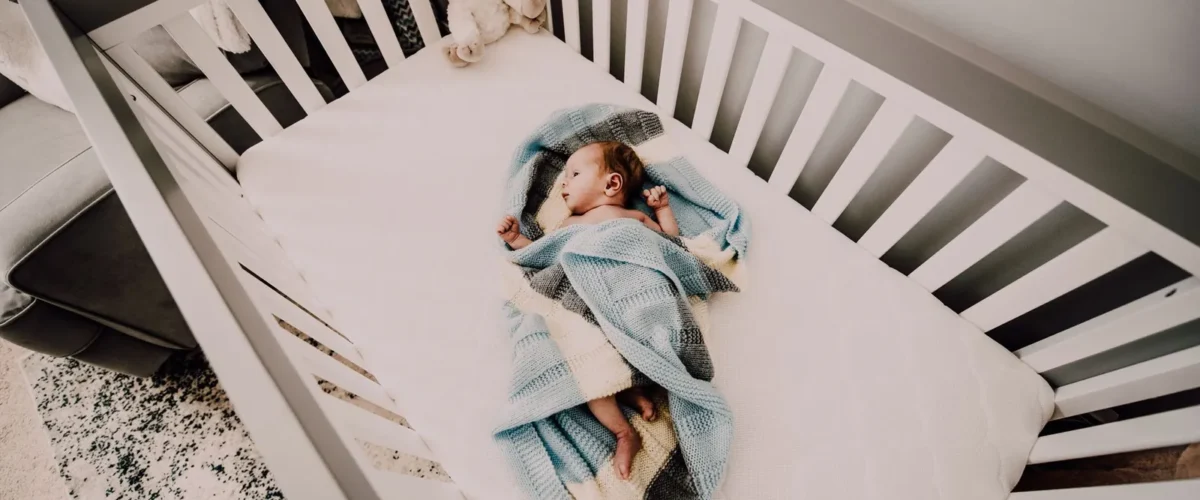
Are Crib Bumpers Banned The Safe Sleep For Babies Act
Looking for are crib bumpers banned the safe sleep for babies act? Here’s what actually matters before you spend. When considering baby safety, many parents wonder about the use of crib bumpers despite recent concerns and local regulations. The Safe Sleep for Babies Act has led to increased scrutiny over crib bumpers due to potential suffocation risks. It’s important to research local laws and guidelines, as some areas have banned these products entirely. Focus on alternative safe sleep practices recommended by pediatricians, such as a firm sleep surface free of soft bedding or toys.
What to Look for in Safe Sleep Practices According to the Safe Sleep for Babies Act
The Safe Sleep for Babies Act emphasizes guidelines that prioritize infant safety during sleep, discouraging the use of items like crib bumpers due to their association with risks such as suffocation and entrapment. When considering safe sleep practices for your baby, it’s crucial to focus on cribs and bedding that meet current safety standards.
Key Considerations:
-
Crib Safety: Choose a crib that meets the latest safety guidelines set by organizations like the Consumer Product Safety Commission (CPSC). Look for cribs with fixed sides and no drop-down rail designs, which reduce entrapment risks.
-
Mattress Fit: Ensure the mattress fits snugly within the crib to prevent gaps where babies could become trapped or suffocate. The mattress should be firm and flat without any sagging.
-
Sleepwear: Opt for sleepwear that is flame-resistant and fitted to avoid loose clothing that can pose a risk of entanglement with crib parts.
-
Positioning: Place the baby on their back to reduce the risk of Sudden Infant Death Syndrome (SIDS). Avoid placing toys, pillows, or blankets in the crib as these items increase suffocation risks.
-
Environment: Keep the sleeping area smoke-free and at a comfortable temperature to prevent overheating, which is another risk factor for SIDS.
By adhering to these guidelines, parents can create a safer sleep environment that aligns with current safety recommendations and minimizes potential hazards associated with crib bumpers and other potentially dangerous items.
Top Picks and Why They Stand Out
When considering baby safety, it’s crucial to stay informed about current regulations and guidelines. The Safe Sleep for Babies Act emphasizes creating a safer sleeping environment for infants by reducing risks associated with suffocation and Sudden Infant Death Syndrome (SIDS). One significant aspect of this act is the recommendation against using crib bumpers.
Instead of crib bumpers, parents should focus on products that promote safe sleep practices:
-
Firm Mattresses: Look for a firm mattress specifically designed for cribs to ensure your baby’s head and neck are well-supported during sleep. The mattress should fit snugly within the crib frame without any gaps.
-
Sleep Sacks or Swaddles: Opt for wearable blankets or swaddle wraps that keep babies warm without the risk of loose bedding. These products help prevent infants from kicking off covers, which can pose suffocation risks.
-
Crib Sheets and Fitted Covers: Choose high-quality crib sheets with tight-fitting fitted covers to ensure they stay securely in place. Avoid using extra blankets or pillows that could be hazardous.
-
Positioners and Wedges (with Caution): While some positioners claim to reduce the risk of SIDS, many health organizations advise against their use due to potential safety risks. If you choose to use a positioner, ensure it is approved by reputable child safety experts and used strictly as directed.
-
Monitor Systems: Consider using baby monitors that allow parents to keep an eye on their infants without needing to be in the same room. Look for models with clear audio and video quality, along with features like night vision and two-way communication.
By focusing on these safe sleep essentials, you can create a secure sleeping environment for your baby while adhering to current safety guidelines.
How to Choose the Right One
When considering baby safety products, it’s crucial to stay informed about current guidelines and regulations. The Safe Sleep for Babies Act is a piece of legislation that aims to promote safer sleeping environments for infants by addressing various hazards in cribs and other sleep-related products. While crib bumpers are not universally banned, many child safety organizations recommend against their use due to the risk of suffocation and entrapment.
When choosing safe sleep items for your baby, focus on products that meet current safety standards and guidelines set forth by reputable organizations such as the American Academy of Pediatrics (AAP) and the Consumer Product Safety Commission (CPSC). Look for cribs with slats no more than 2⅜ inches apart to prevent entrapment. Additionally, ensure that any mattress you choose fits snugly against the crib walls without gaps.
When selecting bedding, opt for a firm sleep surface free of soft objects like pillows and blankets, which can pose suffocation risks. Instead, use fitted sheets designed specifically for infant cribs. Sleep sacks or wearable blankets are safer alternatives to traditional blankets as they reduce the risk of covering your baby’s face during sleep.
Always prioritize products that have been tested and certified by recognized safety organizations. While specific model numbers should not be recommended without verification, look for items with clear labeling indicating compliance with relevant safety standards. By adhering to these guidelines, you can create a safer sleeping environment for your infant.
What to Avoid
When considering safe sleep practices for infants, it’s important to be aware of guidelines that prioritize reducing the risk of sudden infant death syndrome (SIDS) and other sleep-related deaths. The American Academy of Pediatrics (AAP) recommends a bare crib approach, which means avoiding items like crib bumpers, pillows, blankets, and soft toys in the baby’s sleeping area.
Crib bumpers are often marketed as safety devices designed to prevent babies from getting their limbs or heads stuck between crib slats. However, numerous studies have shown that these products can pose a significant risk of suffocation, entrapment, and strangulation. In response, many states and cities in the United States have enacted laws banning the sale and distribution of crib bumpers.
The Safe Sleep for Babies Act is legislation aimed at reducing infant deaths by promoting safe sleep practices. This act often includes provisions that discourage or ban products like crib bumpers because they do not align with AAP recommendations for a safe sleeping environment.
When shopping for baby items, parents should look for cribs and bassinets designed to meet the latest safety standards without additional accessories such as bumpers. Focus on features like adjustable mattress levels, sturdy construction, and compliance with current safety guidelines. Always check that any product you purchase is up-to-date with the most recent recommendations from organizations like the AAP and the Consumer Product Safety Commission (CPSC).
Frequently Asked Questions
Q: Are crib bumpers still allowed under the Safe Sleep for Babies Act?
A: The Safe Sleep for Babies Act does not explicitly ban crib bumpers, but it strongly advises against their use due to safety concerns.
Q: What guidelines should I follow regarding crib bumpers and safe sleep practices?
A: It’s recommended to avoid using crib bumpers as they can pose a suffocation risk. Instead, focus on creating a safe sleeping environment by ensuring the crib meets current safety standards.
Q: Are there any alternatives to crib bumpers for protecting my baby while sleeping?
A: To ensure your baby’s safety without crib bumpers, use a firm sleep surface with a fitted sheet and avoid placing soft items like pillows or blankets in the crib.
Q: How can I stay informed about updates on crib bumper regulations under the Safe Sleep for Babies Act?
A: Stay updated by checking reliable sources such as the Consumer Product Safety Commission (CPSC) website, which provides current guidelines and safety information.
Understanding the Evolution of Crib Safety Standards
The landscape of crib safety has evolved significantly over the years as research and awareness about infant sleep safety have grown. The Safe Sleep for Babies Act reflects these advancements by setting stringent guidelines to prevent hazards such as suffocation, strangulation, and entrapment. Historically, crib bumpers were widely used to protect babies from potential injuries caused by the hard sides of cribs. However, recent studies have shown that crib bumpers do not provide the intended protection and can actually pose serious risks to infants.
As a result, many health organizations now recommend against using crib bumpers due to their association with increased risk of injury and suffocation. Instead, parents are encouraged to focus on other proven methods for ensuring safe sleep environments. This includes selecting cribs that meet current safety standards, using firm sleep surfaces without extra bedding or soft objects, and adhering to recommended sleeping positions.
Understanding the rationale behind these changes can help parents make informed decisions about their baby’s sleep environment, prioritizing evidence-based practices over outdated traditions.