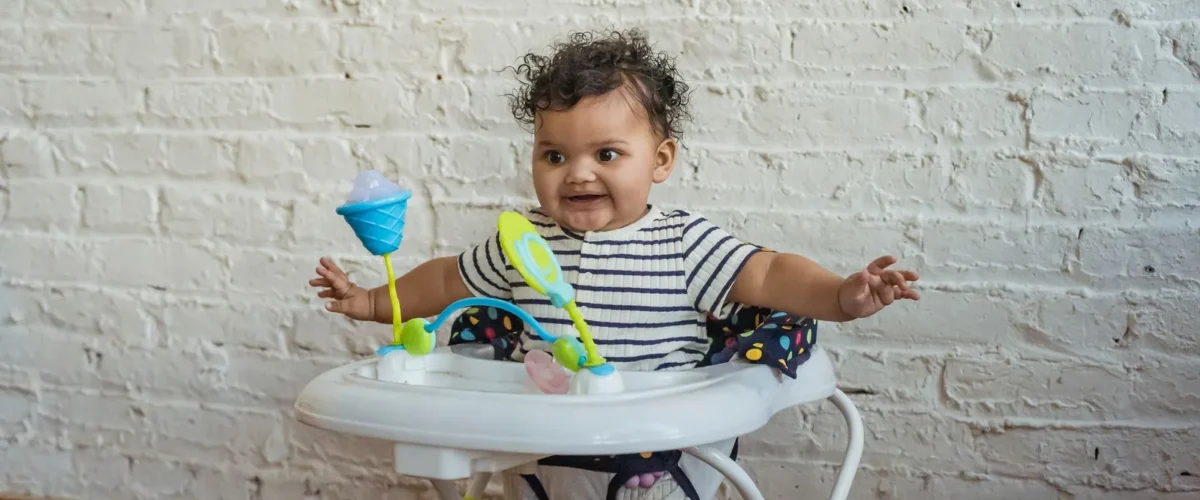
Are Baby Walkers Safe Why The Aap Says No
Looking for are baby walkers safe why the aap says no? Here’s what actually matters before you spend. When considering baby walkers, it’s important to understand the concerns raised by organizations like the American Academy of Pediatrics (AAP). The AAP advises against their use due to safety risks such as increased risk of falls and injuries. Instead, focus on safer alternatives that promote mobility and development, such as stationary activity centers or learning toys designed for floor play.
What to Look for When Considering Baby Walkers: Why AAP Says No
The American Academy of Pediatrics (AAP) advises against using baby walkers, citing safety concerns. These devices can pose significant risks such as falls down stairs or tipping over, which may result in serious injuries including head trauma and fractures. Additionally, walkers can hinder a child’s development by reducing the time spent on crawling, an important stage for motor skill development.
When considering alternatives to baby walkers, look for products that promote safe mobility and support natural developmental milestones:
- Activity Centers: These stationary toys encourage reaching, grasping, and standing without the risk of falls.
- Baby Gyms: Ideal for infants who are not yet mobile, these gyms provide visual stimulation and help develop motor skills through tummy time.
- Stability Balls or Cushions: Soft balls or cushions can be used to support a baby while they learn to stand and walk, offering a safer alternative to walkers.
Always choose products that have been tested for safety by reputable organizations and are designed with age-appropriate features. Look for items that encourage interaction and exploration without compromising the child’s physical security.
Top Picks and Why They Stand Out
When considering baby walkers, it’s important to understand that the American Academy of Pediatrics (AAP) recommends against their use due to safety concerns. Baby walkers can pose significant risks such as falls down stairs or tipping over, which may result in serious injuries like head trauma or broken bones. Additionally, they do not contribute to a child’s motor skill development and can hinder walking skills by encouraging the baby to rely on rolling rather than crawling.
Instead of baby walkers, parents might consider safer alternatives that promote healthy physical development:
-
Activity Centers: These are stationary toys with various interactive features such as buttons, music, and textures designed for babies to explore while sitting or standing. Look for models that have sturdy bases and secure attachments to prevent tipping over.
-
Exercisers (Jumpers): Baby exercisers provide a safe space for infants to bounce up and down, which can help develop leg muscles. Ensure the model you choose has a wide base and adjustable height settings to accommodate your baby’s growth stages.
-
Walkers with Brakes: If you still prefer something that resembles a walker, opt for models designed more like stationary frames with wheels but include brakes or locks to prevent accidental movement. These should also have non-slip surfaces to keep the child stable while standing and moving around.
-
Push Toys: Simple push toys are excellent tools for encouraging walking skills once your baby is ready. Choose lightweight options that can be easily grasped by a toddler, with smooth wheels and a sturdy handle height adjustable for different stages of growth.
When selecting any product, always prioritize safety features such as secure construction, non-toxic materials, and compliance with relevant safety standards. Look for products designed to encourage natural movement patterns rather than those that might hinder your baby’s development.
How to Choose the Right One
When considering whether to purchase a baby walker, it’s important to understand the safety concerns associated with them. The American Academy of Pediatrics (AAP) recommends against using baby walkers due to several risks they pose to infants.
Baby walkers can cause injuries such as falls down stairs and burns from reaching hot surfaces that would otherwise be out of reach. Additionally, walkers may hinder a child’s physical development by limiting the opportunities for crawling and walking independently, which are crucial stages in motor skill development.
Instead of baby walkers, consider alternative devices like stationary activity centers or playpens. These options provide a safe environment for your baby to explore while also promoting healthy growth and development. Look for products that encourage movement and interaction without posing significant risks.
When choosing an alternative product:
– Ensure it has稳固的结尾,不需要提及具体产品或品牌,而是提供选择产品的通用指导原则。
当挑选替代品时,请注意以下几点:
– 确保产品符合最新的安全标准和认证。
– 选择那些能够促进婴儿探索、互动且不易造成伤害的产品。
– 考虑产品的稳定性与安全性,避免有尖锐边缘或易碎部件的设计。
– 查看用户评价和专业机构的测试报告,了解其他家长的实际使用体验。
通过这些指导原则,您可以为宝宝挑选到既安全又有利于其成长发展的产品。
What to Avoid
Baby walkers can pose significant safety risks, which is why organizations like the American Academy of Pediatrics (AAP) recommend against their use. The primary concern with baby walkers is that they allow infants to move around before they are developmentally ready, potentially leading to injuries such as falls down stairs or burns from reaching hot surfaces.
When considering alternatives to baby walkers, it’s important to look for products that promote safe and natural motor skill development without increasing the risk of injury. For instance, stationary activity centers can provide similar stimulation and entertainment while keeping your child securely in place. These devices often include features like colorful toys, music, and interactive panels designed to engage babies as they sit or stand.
Another option is a play yard with an attached gym that includes hanging toys and bars for pulling up and standing. This setup encourages crawling and standing without the risk of mobility that comes with baby walkers. Always ensure any product you choose meets current safety standards and has positive reviews from other parents to minimize risks.
Ultimately, focusing on age-appropriate activities and ensuring a safe play environment is key to supporting your child’s development while keeping them secure.
Frequently Asked Questions
Q: Are baby walkers really as dangerous as the AAP suggests?
A: The American Academy of Pediatrics (AAP) recommends against using baby walkers because they can lead to serious injuries, such as falls down stairs or burns from reaching hot surfaces.
Q: What are some safer alternatives to baby walkers for mobility practice?
A: Safer options include stationary activity centers that allow babies to play and move without the risk of falling. Also, learning to crawl or walk with support from a parent is recommended by experts.
Q: Can I use a baby walker if I supervise my child closely?
A: Even with close supervision, baby walkers can still pose risks due to their mobility and access to hazards like stairs or hot surfaces. The AAP advises against using them regardless of supervision levels.
Q: How do I know if a product is safe for my baby according to the AAP guidelines?
A: Look for products that encourage development without compromising safety, such as play mats, soft climbers, and activity gyms designed for floor play under adult supervision.
The Role of Parental Supervision
While baby walkers can provide entertainment and stimulation for infants, they should never be used as a substitute for parental supervision. According to the American Academy of Pediatrics (AAP), one of the main concerns with baby walkers is that they allow babies to move around unsafely before they are developmentally ready. This increases the risk of falls down stairs or into hazardous areas within the home. Therefore, it’s crucial for parents and caregivers to remain vigilant and ensure that walkways are clear of obstacles and potential dangers when using any type of mobility aid for infants. Active supervision is key to preventing accidents and ensuring a safe environment for your child as they learn to navigate their surroundings.
Understanding Alternative Mobility Aids
While baby walkers can provide entertainment and stimulation for infants, there are alternative mobility aids that offer safer options to support your child’s development. Devices such as activity centers, stationary play saucers, and infant seats encourage crawling and sitting up independently without the risk of falls or injuries associated with walkers. Activity centers often feature toys and interactive elements that engage a baby’s senses and promote cognitive skills while keeping them securely seated. Stationary play saucers are ideal for younger infants who haven’t yet mastered rolling over or sitting on their own, providing a safe space to explore without the risk of tipping over. These alternatives not only enhance your child’s physical development but also reduce potential hazards, making them excellent choices for parents concerned about safety and developmental benefits.