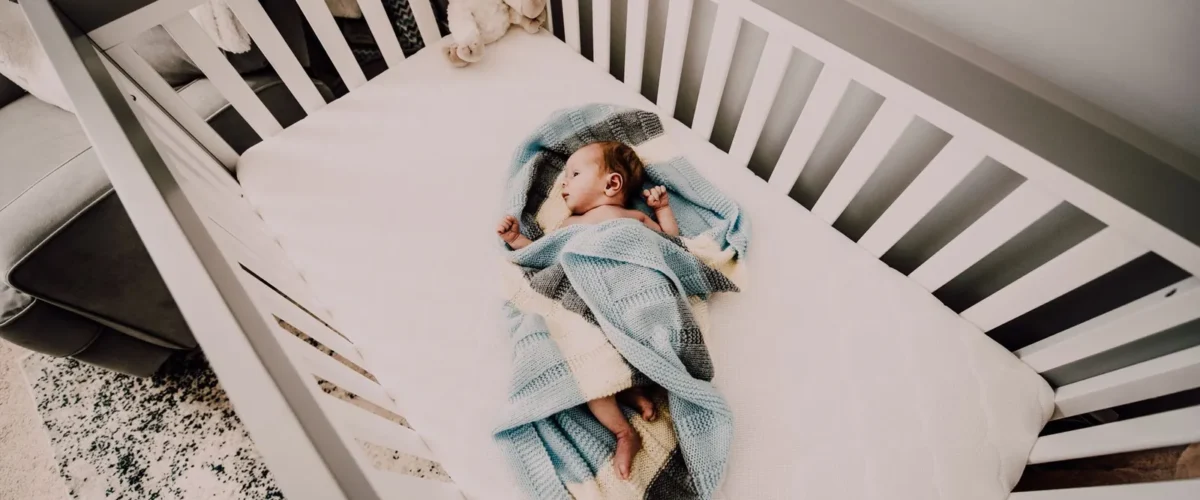
Are Crib Tents Safe
Looking for are crib tents safe? Here’s what actually matters before you spend. When considering crib tents as a safety measure for your baby’s sleep environment, it’s crucial to evaluate their effectiveness and potential risks carefully. Crib tents aim to prevent falls from high-sleeping surfaces but can pose hazards like entrapment or suffocation if not used correctly. Look for tents with breathable mesh material and adjustable straps that fit snugly around the crib. Always follow manufacturer instructions and monitor your child closely while using any such device.
What to Look For When Considering Crib Tents
When evaluating whether crib tents are safe for your child, it’s crucial to consider several key factors that can impact their safety and effectiveness:
-
Stability: Ensure the tent is sturdy and secure enough to prevent tipping or collapsing. Look for models with wide bases and multiple anchor points designed to attach firmly to the crib.
-
Material Quality: The fabric should be made of breathable, fire-resistant materials to ensure your child’s comfort and safety. Avoid tents with small parts that could pose choking hazards.
-
Ease of Installation: A well-designed tent will come with clear instructions for easy setup. Ensure it can be installed without requiring tools or complex assembly processes.
-
Ventilation: Adequate ventilation is essential, especially during warmer months. Choose a tent that allows air to circulate freely while still providing protection from falls and access by pets or other household members.
-
Adjustability: Look for tents that offer adjustable features such as height settings or removable panels. This can help accommodate your child’s growth stages and changing needs over time.
-
Certifications: While specific certifications may not be available, reputable manufacturers often adhere to safety guidelines set by organizations like the Consumer Product Safety Commission (CPSC). Check if the manufacturer provides any third-party testing reports or compliance statements.
-
Customer Reviews: Reading reviews from other parents can provide insights into real-world performance and potential issues. Pay attention to comments about durability, ease of use, and overall satisfaction.
By carefully considering these factors, you can make an informed decision that prioritizes your child’s safety while addressing common concerns associated with crib tents.
Top Picks and Why They Stand Out
When considering crib tents as a safety measure for your baby, it’s important to focus on products that meet current safety standards and have positive reviews from other parents. Here’s what to look for when choosing the right crib tent:
-
Mesh Material: Opt for tents made with breathable mesh material that allows air circulation while preventing entanglement risks. Avoid any fabric that could suffocate your baby.
-
Secure Attachment: Ensure the tent attaches securely to the crib without gaps where a child’s head or limbs might get trapped. Look for models that come with adjustable straps and clips designed to fit various cribs.
-
Ease of Use: Choose a tent that is easy to install, remove, and clean. This will make it more likely you’ll use it consistently and keep it in good condition.
-
Safety Certifications: While specific certifications may vary by region, look for products that comply with relevant safety guidelines such as the American Society for Testing and Materials (ASTM) standards or similar international equivalents.
-
Parent Reviews: Read reviews from other parents to see if they report any issues with stability, ease of use, or overall satisfaction. This can provide valuable insights into real-world performance.
By focusing on these criteria, you can select a crib tent that enhances your baby’s safety and provides peace of mind during sleep times.
How to Choose the Right One
When considering whether crib tents are a safe option for your baby, it’s important to understand their purpose and potential risks. Crib tents are designed to prevent babies from climbing out of cribs or falling between the bars, but they come with specific safety concerns.
Key Considerations:
-
Certifications and Standards: Look for products that meet recognized safety standards such as those set by organizations like ASTM International (formerly known as the American Society for Testing and Materials). Although a specific model number is not provided here, reputable brands often list their adherence to these standards on product descriptions.
-
Material Quality: Ensure the tent material is breathable and does not pose suffocation risks. Avoid tents with small parts that could be choking hazards or materials that might irritate your baby’s skin.
-
Ease of Installation and Removal: Choose a crib tent that is easy to install and remove, ensuring it fits securely without gaps where babies can get stuck. This also makes cleaning easier and reduces the risk of mold growth.
-
Adjustability: Opt for tents that adjust in size to fit different cribs or as your baby grows. This flexibility helps maintain safety throughout various stages of development.
-
Parent Reviews: Read reviews from other parents who have used crib tents. Look for feedback on ease of use, durability, and any reported incidents.
-
Alternative Solutions: Consider alternative sleep solutions such as a co-sleeper bassinet or a playpen with high sides if you’re concerned about your baby climbing out of the crib.
By carefully evaluating these factors, parents can make an informed decision that prioritizes their child’s safety while addressing common concerns like nighttime escapades.
What to Avoid
When considering the safety of crib tents for your child, it’s important to be aware of several potential risks and issues that have been identified by child safety experts and organizations. Crib tents are designed to prevent toddlers from climbing out of their cribs but can pose significant hazards if not used properly or if they do not meet certain safety standards.
Firstly, ensure the crib tent does not create any gaps where a child’s head could become trapped, leading to suffocation risks. Look for models that fit snugly around the crib and have minimal space between the tent and the crib sides. Additionally, avoid tents with small parts or components that could pose choking hazards if detached.
Another critical aspect is the stability of the tent. Ensure it cannot be easily knocked over by a child’s movements inside the crib. A stable design should prevent tipping and entrapment scenarios where a child might get stuck between the tent and crib sides.
Furthermore, avoid tents with fabric or mesh materials that could pose suffocation risks if they cover too much of the crib space, reducing air circulation around the baby. Opt for breathable materials that allow sufficient airflow while still providing protection against falls.
Lastly, be cautious about using any product without thorough research on its safety record and manufacturer’s reputation. Look for tents with clear instructions and warnings regarding safe use and age-appropriate guidelines. Always follow these guidelines strictly to minimize risks associated with crib tent usage.
Frequently Asked Questions
Q: Are crib tents safe for babies to use at night?
A: Crib tents are designed to prevent falls from cribs, but it’s important to ensure they meet safety standards and do not pose other risks like suffocation or entrapment.
Q: Can crib tents replace the need for a traditional bumper guard?
A: Crib tents provide fall prevention, but they don’t offer the same benefits as bumpers in terms of preventing injuries from moving parts inside the crib. Consider using both for comprehensive safety if appropriate.
Q: Are there any specific guidelines or regulations regarding the use of crib tents?
A: While there are no universal regulations specifically for crib tents, it’s advisable to look for products that have been tested by reputable organizations and follow manufacturers’ instructions carefully.
Q: How can I ensure a crib tent is securely installed in my baby’s crib?
A: Always check the manufacturer’s guidelines for installation. Ensure all parts fit snugly without any gaps or loose pieces, and regularly inspect the tent to maintain its integrity.
Understanding the Safety Standards for Crib Tents
When evaluating crib tents, it’s important to understand that while there are specific safety standards and guidelines for cribs themselves, such as those set by organizations like ASTM International (ASTM F1169-20), crib tents do not fall under these same regulated categories. This means parents must rely on manufacturers’ claims about the safety features of their products, along with independent testing reports from third-party labs. Look for crib tents that prioritize non-toxic materials and have secure attachment mechanisms to prevent accidental detachment or entrapment risks. Additionally, consider models designed to be breathable and free from small parts that could pose choking hazards. Always check for any voluntary safety certifications or compliance statements provided by the manufacturer, though these are not mandatory for crib tents.