Bed Sharing Vs Room Sharing What The Aap Recommends
Comparing bed sharing vs room sharing what the aap recommends? Here’s an honest head-to-head. When deciding between bed sharing and room sharing for infants and toddlers, parents often turn to the American Academy of Pediatrics (AAP) for guidance. The AAP generally recommends room-sharing without bed-sharing, suggesting that babies sleep in the same room as their parents for at least the first six months, and ideally up to a year, to reduce the risk of Sudden Infant Death Syndrome (SIDS). This approach aims to balance safety with the benefits of close proximity for nighttime care. Both options have pros and cons, but room-sharing is widely supported by experts for its safety record.
What Bed Sharing vs Room Sharing Actually Compares According to AAP Recommendations
The American Academy of Pediatrics (AAP) provides guidelines for parents on safe sleep practices, which include recommendations about whether infants should share a bed with their parents or sleep in another room. The key considerations are safety, health benefits, and emotional well-being.
Bed Sharing
Bed sharing involves having the infant sleep in the same bed as one or both parents. According to AAP guidelines, bed sharing can be dangerous due to the risk of suffocation, strangulation, and Sudden Infant Death Syndrome (SIDS). The organization advises against bed sharing unless specific safety measures are strictly followed, such as using a firm mattress with no soft bedding, ensuring there is no gap between the bed and any wall or furniture, and avoiding alcohol, drugs, and excessive fatigue.
Room Sharing
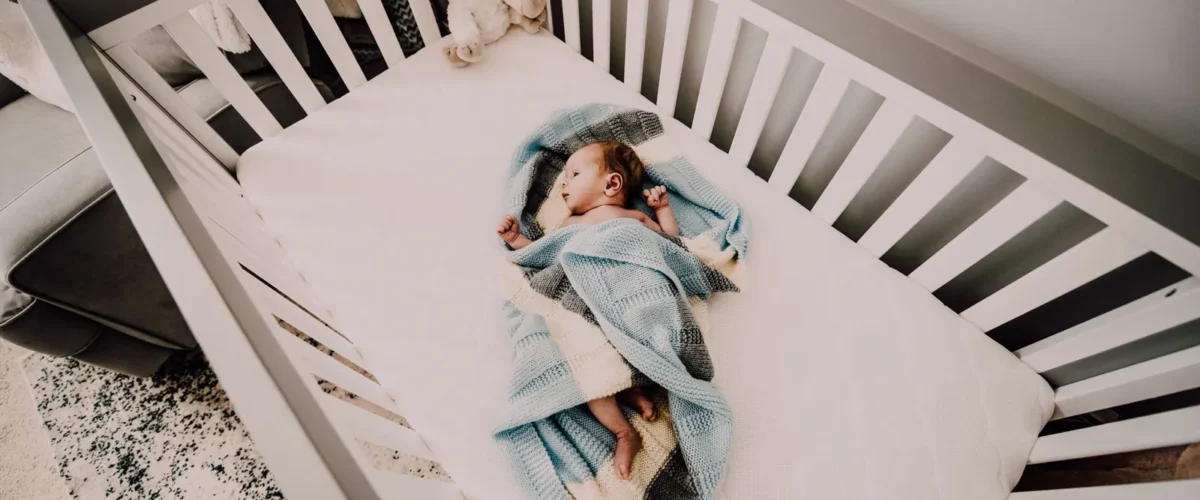
Room sharing involves placing the infant’s crib or bassinet in the same room as the parents. The AAP strongly recommends this practice for at least the first six months, preferably up to one year. This arrangement allows parents to easily monitor their baby’s breathing and respond quickly if needed. It also facilitates breastfeeding and helps establish a bond between parent and child.
What to Look For
When choosing a crib or bassinet for room sharing, look for products that meet safety standards such as those set by the Consumer Product Safety Commission (CPSC). Ensure the product has adjustable mattress positions, a sturdy frame, and no loose parts. Additionally, consider features like ease of assembly, portability, and adjustability to accommodate your growing baby.
In summary, while bed sharing can provide comfort and convenience, room sharing is generally safer and more recommended by pediatric experts for maintaining infant safety and health.
Head-to-Head: The Key Differences
When it comes to deciding between bed sharing and room sharing for infants, parents often look to the American Academy of Pediatrics (AAP) for guidance. Both practices have their pros and cons, and the AAP’s recommendations are based on extensive research aimed at ensuring child safety.
Bed Sharing:
– Pros: Bed sharing can facilitate easier nighttime feedings and enhance bonding between parent and infant.
– Cons: It poses significant risks such as Sudden Infant Death Syndrome (SIDS), accidental suffocation, and entrapment. The AAP advises against bed sharing due to these dangers unless specific safety measures are in place.
Room Sharing:
– Pros: Room sharing is strongly recommended by the AAP for at least the first six months, preferably up to a year. It allows parents to be close enough to monitor their baby’s breathing and respond quickly if needed.
– Cons: Infants may miss out on the convenience of immediate feeding that bed sharing offers.
The AAP recommends room sharing over bed sharing due to safety concerns. Room sharing involves placing the infant in a separate crib or bassinet within the same room as the parents, which helps reduce the risk of SIDS and other sleep-related deaths. This practice ensures proximity without compromising on safety.
What To Look For:
– Cribs/Bassinets: Choose products that meet current safety standards and have been tested for stability and durability.
– Sleep Environment: Ensure the room is smoke-free, well-ventilated, and kept at a comfortable temperature (around 68 to 72 degrees Fahrenheit).
– Positioning: Place the crib or bassinet away from windows, curtains, and other potential hazards.
Ultimately, while bed sharing can offer convenience, room sharing aligns more closely with AAP recommendations for safer infant sleep practices.
Which One Should You Choose
When deciding between bed sharing and room sharing for your infant, it’s crucial to consider the recommendations from the American Academy of Pediatrics (AAP). The AAP advises against bed sharing due to safety concerns such as suffocation, strangulation, and Sudden Infant Death Syndrome (SIDS). Instead, they recommend that infants sleep in the same room as their parents but on a separate surface, like a crib or bassinet. Room sharing is associated with reduced risks of SIDS and promotes easier monitoring and care for the infant.
For bed sharing, while some cultures and families find it comforting, the AAP emphasizes the importance of safety measures such as ensuring there are no loose blankets, pillows, or soft bedding that could pose suffocation hazards. However, even with precautions, room sharing is generally safer and more widely recommended by pediatricians.
When choosing a crib or bassinet for room sharing, look for products that meet current safety standards and have been tested for stability and durability. Ensure the product has slats no wider than 2⅜ inches to prevent your baby’s head from getting trapped between them. Additionally, opt for models with adjustable mattress positions to accommodate your growing child’s needs.
Ultimately, room sharing aligns better with AAP guidelines and offers a safer sleeping environment while still allowing parents to be close to their infants during the night.
Pros and Cons of Each
Bed Sharing
Pros:
– Convenience: Bed sharing can make nighttime feedings easier, especially for breastfeeding mothers.
– Comfort: It allows parents to be close to their baby at all times, which might provide a sense of security and comfort.
Cons:
– Safety Risks: The American Academy of Pediatrics (AAP) advises against bed sharing due to the risk of Sudden Infant Death Syndrome (SIDS) and accidental suffocation. Infants can become trapped between bedding or parents.
– Sleep Quality: Parents may find it difficult to get a full night’s sleep when sharing a bed with an infant, which could affect their overall well-being.
Room Sharing
Pros:
– Safety: The AAP recommends room-sharing for the first six months and preferably up to one year. It allows parents to be nearby without the risks associated with bed sharing.
– Independence: As infants grow, they can start to develop a sense of independence while still feeling secure knowing their parents are close by.
Cons:
– Convenience: Room-sharing might make nighttime feedings less convenient compared to bed sharing, especially for breastfeeding mothers who may need to get up frequently during the night.
– Separation Anxiety: Some infants may experience more separation anxiety if they do not have physical proximity to their parents at all times.
Conclusion
The AAP’s recommendation leans heavily towards room-sharing due to its safety benefits. While bed sharing offers convenience and comfort, it poses significant risks that outweigh these advantages for most families. Parents should consider the long-term health and well-being of both themselves and their child when deciding on a sleeping arrangement.
Frequently Asked Questions
Q: What does the AAP recommend about bed sharing versus room sharing for infants?
A: The American Academy of Pediatrics (AAP) recommends that infants sleep in the same room as their parents, but not in the same bed, to reduce the risk of Sudden Infant Death Syndrome (SIDS).
Q: Is it safe to share a bedroom with my baby until they are one year old according to AAP guidelines?
A: The AAP advises keeping your infant’s sleeping area close to yours for at least the first six months and preferably up to one year, but emphasizes that infants should have their own sleep space within this room.
Q: Can I bring my baby into my bed for feedings without increasing SIDS risk according to AAP?
A: The AAP suggests bringing your baby into your bed only for feeding or comforting but recommends returning them to a separate sleeping area afterward to minimize the risks associated with bed sharing.
Q: What are some safe sleep practices recommended by AAP for room sharing infants?
A: The AAP encourages using a firm sleep surface, avoiding soft bedding and loose objects in the crib, ensuring no gaps between the mattress and crib frame, and maintaining a smoke-free environment to promote safe sleeping conditions.