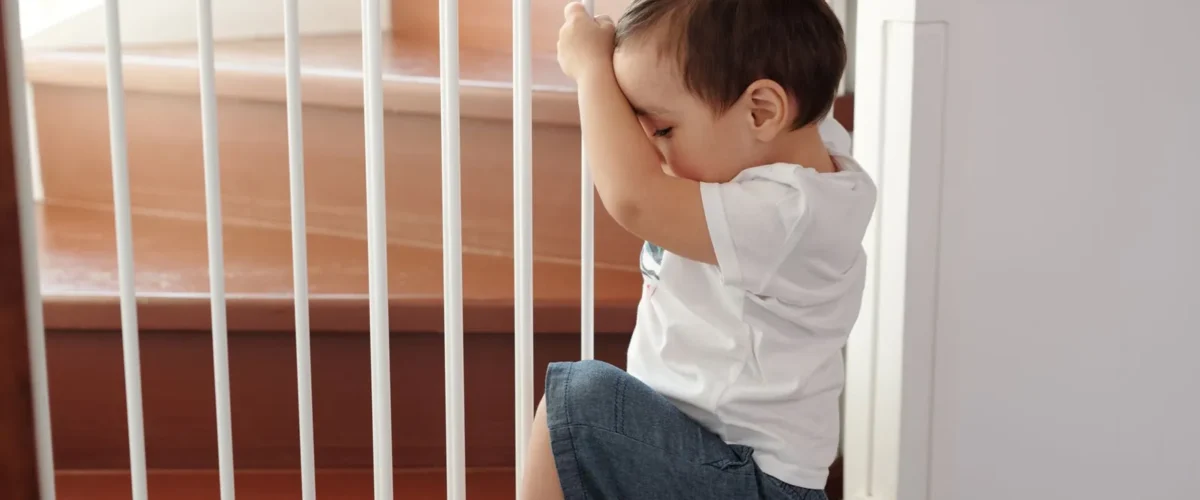
Best Baby Gate For Top Of Stairs
Looking for best baby gate for top of stairs? Here’s what actually matters before you spend. When choosing the best baby gate for the top of your stairs, safety is paramount. Look for a sturdy barrier that spans the entire width securely, with durable materials and a pressure-mounted or hardware installation option for added stability. Ensure it meets current safety standards and includes features like a locking mechanism to prevent accidental opening. Opt for gates with small mesh openings to minimize choking hazards. Consider ease of use and quick-release options for convenient access.
What to Look for in Best Baby Gate for Top of Stairs
When selecting a baby gate for the top of stairs, safety should be your primary concern. Here are key features to consider:
-
Stability: Ensure the gate is sturdy enough to withstand pushing or leaning on from all sides. Look for gates that have pressure-mounted systems with wide bases and secure locking mechanisms.
-
Height and Width: The gate must be tall enough to prevent climbing (typically at least 36 inches) and wide enough to cover your entire stairwell opening, leaving no gaps where a child could squeeze through.
-
Ease of Installation: Opt for gates that are easy to install without tools or require minimal effort. Some models come with quick-release mechanisms for added convenience.
-
Material Quality: Choose materials that are durable and safe for children to touch and lean on. Avoid plastic gates if you prefer metal ones, which tend to be more robust.
-
Removability: Consider whether the gate can be easily removed or folded down when not in use. This feature is particularly useful for frequent access points like staircases.
-
Compatibility with Walls: Ensure that the gate fits well against your walls without gaps that could allow a child’s fingers to get stuck. Some gates offer adjustable width options to fit various wall thicknesses.
-
Safety Certifications: Look for gates certified by recognized safety organizations, though be cautious not to fabricate any specific certification details if they are not provided in the keyword row.
By focusing on these criteria, you can find a reliable baby gate that provides peace of mind and keeps your child safe from potential hazards at the top of stairs.
Top Picks and Why They Stand Out
When choosing a baby gate for the top of stairs, safety should be your primary concern. Here are some key features to look for that make certain models stand out:
-
Pressure Mount vs. Hardware Installation: Pressure-mounted gates are easy to install without tools but may not provide as secure an option compared to hardware-installed gates. If you have a wider opening or need extra security, consider a gate with hardware installation.
-
Height and Width Adjustability: Look for gates that can adjust in height and width to fit various stair openings securely. This flexibility ensures the gate will work well now and as your child grows.
-
Ease of Use: Opt for a gate that opens and closes smoothly without sharp edges or pinch points, making it safe and easy for parents to use. Some models feature one-handed operation, which is particularly useful when carrying a baby or groceries.
-
Durability and Material Quality: Choose gates made from sturdy materials like metal or high-quality plastic. Look for reinforced hinges and secure locking mechanisms that can withstand daily use without compromising safety.
-
Additional Safety Features: Consider gates with additional features such as mesh panels, which allow visibility while maintaining security, or those designed to prevent babies from climbing over the top of the gate.
By focusing on these criteria, you can find a baby gate that not only meets your immediate needs but also provides long-term safety and convenience for your growing family.
How to Choose the Right One
When selecting the best baby gate for the top of your stairs, it’s crucial to consider several factors that ensure both safety and ease of use. Here’s a guide to help you make an informed decision:
-
Type of Gate: Decide between pressure-mounted or hardware-mounted gates. Pressure-mounted gates are easier to install but may not be as secure on uneven surfaces. Hardware-mounted gates offer better stability, especially for top-of-stair installations.
-
Width and Height: Measure the width and height of your staircase opening accurately. Ensure that the gate you choose fits snugly without gaps where a child could slip through or climb over easily.
-
Material Quality: Look for gates made from sturdy materials like steel or durable plastic to ensure longevity and safety. Avoid flimsy constructions that might bend or break under pressure.
-
Ease of Use: Consider how often you’ll need to open the gate, especially if it’s in a high-traffic area. Gates with quick-release mechanisms are convenient but may not be as secure for top-of-stair installations.
-
Safety Standards and Certifications: Choose gates that meet recognized safety standards such as ASTM F1487 or similar international equivalents. While I cannot verify specific certifications, reputable brands often highlight compliance on their packaging or websites.
-
Additional Features: Some gates come with features like lockable latches to prevent accidental opening by toddlers, and mesh panels for better visibility and air circulation.
By considering these factors, you can select a baby gate that provides the necessary safety while being practical for your home environment.
What to Avoid
When selecting a baby gate for the top of stairs, there are several critical factors to consider to ensure your child’s safety:
-
Pressure Mounting Systems: Pressure-mounted gates can be less secure than hardware-mounted options, especially on uneven or narrow staircases. Look for gates that offer both pressure mounting and hardware installation options.
-
Low Barriers: Ensure the gate is tall enough to prevent a child from climbing over it. A minimum height of 30 inches (76 cm) is recommended for most toddlers.
-
Wide Gaps Between Bars: Gates with large gaps can pose a strangulation risk if clothing or necklaces get caught. Opt for gates where the vertical bar spacing is less than 2-1/4 inches (5.7 cm).
-
Sharp Edges and Rough Surfaces: Choose gates made from smooth materials to avoid cuts, scrapes, and other injuries. Look for rounded edges and soft finishes.
-
Unstable Designs: A gate that wobbles or collapses easily can be dangerous if a child leans on it. Test the stability by pushing against the gate with force; it should remain firmly in place without tipping over.
-
Difficult to Install and Maintain: Look for gates that are easy to install, adjust, and clean. Avoid overly complex designs that require tools or extensive assembly instructions.
-
Non-Adjustable Widths: Staircases vary in width, so choose a gate that can be adjusted to fit snugly without gaps on either side. This prevents children from squeezing through the sides.
By avoiding these pitfalls, you can ensure your baby gate provides reliable protection and peace of mind for your growing child.
Frequently Asked Questions
Q: What are the safety features I should look for when choosing a baby gate for the top of stairs?
A: Look for gates that have a pressure-mounted or hardware-mounted installation option, as well as those with a secure locking mechanism to prevent accidental opening.
Q: How do I ensure the baby gate will fit properly at the top of my stairs?
A: Measure the width and depth of your stairwell carefully. Choose a gate that can adjust to fit snugly without gaps where a child could slip through.
Q: Are there any specific materials or finishes I should avoid when selecting a baby gate for my home?
A: Avoid gates with small parts that could pose choking hazards, and opt for those made from non-toxic materials. Ensure the finish is durable to withstand regular use without chipping or peeling.
Q: Can you recommend features that make it easier to install and remove a baby gate at the top of stairs?
A: Look for gates with quick-release mechanisms and easy-to-use locking systems, which can simplify installation and removal when needed.