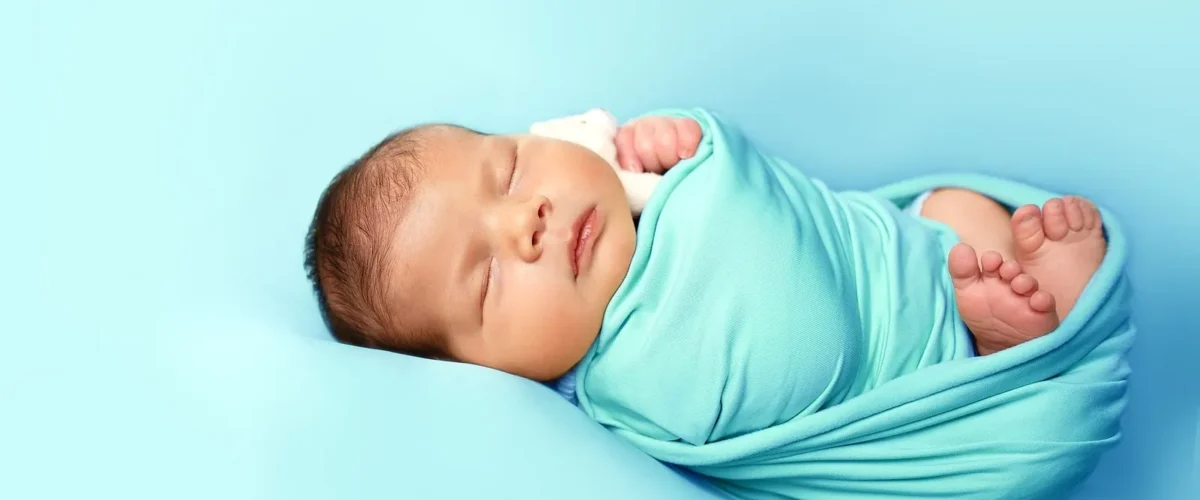
Best Sleep Sack
Looking for best sleep sack? Here’s what actually matters before you spend. When choosing the best sleep sack for your baby, consider factors like size adjustability and breathable fabric to ensure comfort and safety throughout the night. Look for designs that are easy to put on and take off, with features such as snaps or zippers for convenience. Opt for materials that are soft and hypoallergenic to prevent irritation. Additionally, check if the sleep sack is free of harmful chemicals like BPA and phthalates.
What to Look for in Best Sleep Sack
When choosing a sleep sack for your baby, safety should be your top priority. A good sleep sack is designed to keep your child warm and comfortable while reducing the risk of suffocation or entanglement. Here are some key features to consider:
-
Material: Opt for soft, breathable fabrics like cotton or bamboo that allow air circulation. Avoid materials that can irritate sensitive skin.
-
Design: Look for a design that mimics swaddling without restricting movement. The best sleep sacks have armholes or openings at the sides so your baby can move freely while still feeling secure.
-
Adjustability: Choose a sleep sack with adjustable closures, such as snaps or zippers, to fit different sizes and stages of growth. This ensures comfort throughout the night and prevents overheating.
-
Temperature Regulation: Ensure the sleep sack has multiple layers that can be removed or added depending on the season. Some models come with removable sleeves for versatility in various climates.
-
Safety Standards: While not naming specific certifications, look for products that adhere to recognized safety standards. Check if they are free from harmful chemicals and have passed relevant tests for flammability and toxicity.
-
Ease of Use: Consider the ease of putting on and taking off the sleep sack. A design with fewer steps can make nighttime routines smoother and less stressful.
-
Washing Instructions: Choose a sleep sack that is machine washable and easy to maintain, ensuring it stays clean and hygienic for your baby’s use.
By focusing on these criteria, you can find a sleep sack that not only keeps your child safe but also promotes a good night’s sleep.
Top Picks and Why They Stand Out
When selecting the best sleep sack for your baby, it’s important to consider factors such as material quality, ease of use, and safety features. Here are some top picks that stand out based on these criteria:
-
Material Quality: Look for sleep sacks made from soft, breathable fabrics like organic cotton or bamboo blends. These materials help regulate body temperature and reduce the risk of overheating during sleep.
-
Ease of Use: Choose a design with convenient features such as snap buttons along the sides and bottom to make diaper changes easier without fully removing the sack. Adjustable openings for arms can also provide flexibility in use.
-
Safety Features: Ensure the product meets safety standards relevant to your region, which typically include flame retardancy and absence of harmful chemicals. Look for sleep sacks that are free from loose parts or strings that could pose a choking hazard.
-
Temperature Regulation: Opt for sleep sacks with adjustable layers or different thickness options depending on the season. Some models come in multiple weights (lightweight for warmer weather, heavier for cooler nights) to adapt to changing climates.
-
Comfort and Fit: The best sleep sack should fit snugly but not too tightly around your baby’s body. A well-fitted design allows for natural movement while providing a secure feeling that can help soothe babies during the night.
By focusing on these key features, you can find a sleep sack that enhances both safety and comfort for your child’s nighttime routine.
How to Choose the Right One
When selecting a sleep sack for your baby, consider several key factors to ensure safety, comfort, and convenience:
-
Size and Fit: Look for a sleep sack that fits snugly but comfortably around your baby’s body without restricting movement or causing overheating. Ensure there are no loose parts like ties or strings that could pose a choking hazard.
-
Material Quality: Opt for soft, breathable fabrics such as cotton or bamboo to keep your baby comfortable and prevent irritation. Avoid materials that can cause allergies or skin issues.
-
Temperature Regulation: Choose a sleep sack designed for the appropriate season—lightweight options for warmer weather and heavier ones for cooler temperatures. Some sleep sacks come with adjustable layers or removable parts to adapt to changing climates.
-
Ease of Use: Look for features like easy-to-use fastenings (such as snaps, zippers, or Velcro) that allow you to put the sleep sack on without waking your baby. Additionally, consider whether it’s machine washable and quick-drying.
-
Safety Certifications: While not naming specific products, ensure the sleep sack meets recognized safety standards and guidelines for infant sleepwear. Check if it has been tested by reputable organizations or laboratories.
-
Additional Features: Some parents prefer sleep sacks with extra features like built-in footmuffs or hand mittens to keep babies’ hands warm. Others may look for designs that transition easily from swaddle to wearable blanket as the baby grows.
By considering these factors, you can choose a sleep sack that provides both comfort and safety for your little one during bedtime.
What to Avoid
When choosing a sleep sack for your baby, there are several factors to consider to ensure safety and comfort. First, avoid products that have loose strings or ties which could pose a strangulation risk. Look for designs without any cords or ribbons that might get tangled around the neck.
Additionally, steer clear of sleep sacks made from materials that irritate sensitive skin, such as harsh chemicals or synthetic fibers. Opt instead for breathable fabrics like cotton or bamboo to help regulate your baby’s body temperature and prevent overheating.
Another important consideration is sizing. Avoid sleep sacks that are too small or restrictive, which can hinder mobility and cause discomfort. Conversely, overly large sleep sacks may allow the baby to slip out of them, defeating their purpose as a safe sleeping aid.
Lastly, be cautious about products with complicated fastenings or closures that could be difficult for parents to use in the middle of the night when trying to settle a fussy baby back to sleep quickly and safely. Look for designs that are easy to put on and take off without compromising safety.
Frequently Asked Questions
Q: What are the key features to look for when choosing a sleep sack for my baby?
A: When selecting a sleep sack, consider breathable materials like cotton or bamboo to keep your baby comfortable and safe from overheating. Look for designs that provide easy access during diaper changes without compromising safety.
Q: How do I ensure the size of the sleep sack is appropriate for my child?
A: Check the manufacturer’s sizing chart and measure your baby accurately before purchasing. A well-fitting sleep sack should allow room for movement but not be so large that it could pose a risk of entanglement or suffocation.
Q: Are there any specific safety standards I should look for when buying a sleep sack?
A: While specific certifications may vary by region, generally look for products that comply with local safety regulations and guidelines. Ensure the product has no small parts that can be swallowed and is free from harmful substances like lead or phthalates.
Q: Can you recommend any particular type of closure system for a sleep sack?
A: Snap buttons are often preferred as they provide quick and easy access during nighttime care, while also being secure enough to prevent accidental openings. Zippers can be convenient too, but ensure they have safety features like zipper guards to avoid skin irritation or injury.
Understanding Sleep Sack Materials
When selecting a sleep sack for your baby, understanding the materials used is crucial as they directly affect comfort and safety during sleep. Opt for sleep sacks made from natural fibers such as cotton or bamboo, which are breathable and gentle on delicate skin. Look for hypoallergenic options to minimize irritation and allergic reactions. Additionally, consider the fabric’s weight and thickness; a lighter material may be more suitable for warmer climates, while a heavier option can provide warmth in cooler environments. Ensure that any sleep sack you choose is free from harmful chemicals like formaldehyde or flame retardants, as these can pose health risks to your baby. Prioritizing safe and comfortable materials will help create a peaceful sleeping environment for your little one.