Indoor Activities for Toddlers and Beyond
Finding fun and engaging indoor activities can be a challenge, especially as children grow from toddlers to pre-teens. Here’s a guide tailored to different age groups, helping you keep your kids entertained and learning indoors.
- Age 1-3 years old: This age group thrives on simple, hands-on play that builds foundational skills.
- Age 4-6 years old: Children in this range enjoy more structured activities that encourage creativity and physical activity.
- Age 7-9 years old: As kids get older, they appreciate activities that challenge their minds and foster social interaction.
- Age 10-12 years old: Teenagers at this stage enjoy more complex indoor games and projects that align with their interests and independence.
How We Chose These Activities
Our selection focuses on activities that are both educational and entertaining, catering to the unique needs of each age group. Whether it’s fostering creativity or promoting physical fitness, these activities offer a balanced mix to keep your child engaged indoors.
Indoor Activities for Toddlers (1-3 years old)
- Building Blocks and Puzzles: These are great for spatial awareness and problem-solving. Choose large pieces with bright colors that are easy to grasp.
- Art Time: Set up a mini art studio with washable paints, paper, and simple brushes. Supervise younger toddlers closely but encourage their creativity.
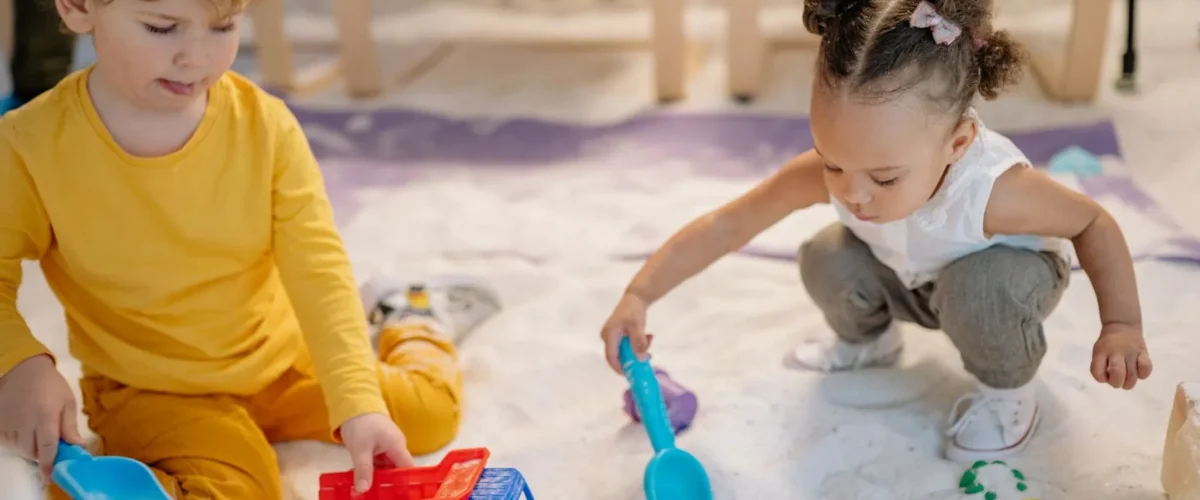
- Magic Sensory Bins: Fill containers with different materials like rice or sand mixed with small toys for tactile exploration. This can be adapted based on your child’s interests and abilities.
- Reading Corner: Create a cozy reading nook with soft pillows, blankets, and a variety of age-appropriate books to spark imagination and foster a love for stories.
- Sensory Play Dough: Homemade play dough is budget-friendly and allows kids to explore textures. Add food coloring or glitter for extra fun while ensuring it’s non-toxic and safe to touch.
Indoor Activities for Preschoolers (4-6 years old)
- Dance Party: Put on some upbeat music and have a dance session. It’s not just fun but also great for developing gross motor skills and coordination.
- Magic Tricks and Puzzles: Introduce simple magic tricks to spark curiosity and introduce basic problem-solving. Follow up with puzzles that require attention to detail and patience.
- Building Forts: Use blankets, pillows, and furniture to create a fort. This encourages creativity and builds spatial awareness as kids navigate the space they’ve created.
- Treasure Hunts: Hide simple items around the house and give your child clues to find them. This is a great way to practice following directions and can be adapted for varying complexity based on age.
- Science Experiments: Simple experiments with everyday household items, like vinegar and baking soda volcanoes, can be both fun and educational while keeping things safe and clean indoors.
Indoor Activities for School-Age Kids (7-9 years old)
- Cooking Together: Involve your child in simple recipes that are age-appropriate. Cooking teaches basic life skills while making meal preparation fun and educational.
- Board Games and Card Games: These games promote strategic thinking, social interaction, and patience. Choose games based on the interests of each individual or group.
- Science Experiments for Older Children: Dabble in more complex experiments that might require adult supervision but are still within reach with guidance. This helps build a foundation in scientific concepts through hands-on learning.
- DIY Craft Projects: From making slime to creating personalized jewelry, these projects allow kids to express their creativity and learn new skills in a fun way.
- Indoor Obstacle Course: Set up an obstacle course using pillows, chairs, and other household items. This can be adjusted for different skill levels and is perfect for physical activity indoors.
Indoor Activities for Teenagers (10-12 years old)
- Video Game Tournaments: Organize friendly competitions with games that challenge both physical and mental skills. This can be a great bonding experience and is also a fun way to unwind.
- DIY Coding Projects: Introduce basic coding through platforms like Scratch or code.org. These tools make learning programming concepts accessible and engaging for kids who are tech-savvy or interested in technology.
- Magic Clubs: Form a small club where you can explore more complex magic tricks and share knowledge. This encourages collaboration, problem-solving, and a love for performing arts.
- Book Club Meetings: Hold regular meetings to discuss books that interest your teenager. This not only improves reading skills but also builds critical thinking abilities through group discussions.
- Mystery Trivia Night: Organize trivia nights with questions related to various subjects like science, history, or pop culture. This can be a fun and interactive way for teenagers to explore their interests and learn new facts.
Frequently Asked Questions (FAQs)
- Q: How do I ensure my child stays safe during indoor activities?
- Q: What if my child loses interest in an activity?
- Q: How can I incorporate learning into indoor playtime for older children?
A: Safety is crucial. Always supervise young children, especially when handling materials or tools that could be hazardous. For older kids and teenagers, discuss safety measures beforehand to ensure they understand the risks and take appropriate precautions.
A: Be flexible and open to trying different activities. If one doesn’t work out, introduce another one that might spark their interest. The key is keeping things fresh and engaging to maintain their attention span.
A: By choosing activities that align with your child’s interests and educational goals, such as coding projects or science experiments, you can make learning enjoyable. This not only reinforces academic skills but also makes education more accessible and fun.
By selecting age-appropriate indoor activities, you can help your children develop essential skills while ensuring they have a blast indoors. Remember, the goal is to keep them engaged and inspired, no matter their age!
Affiliate Disclosure: KidlyPicks.com may earn commissions from qualifying purchases through affiliate links in this article, at no extra cost to you. All opinions are independently formed.
Before you buy: check live CPSC recalls for baby and kids gear on KidlyPicks Recall Watch (RSS) — updated weekly.