Safe Bath Water Temperature For Babies
Looking for safe bath water temperature for babies? Here’s what actually matters before you spend. When bathing your baby, ensuring the water temperature is just right is crucial for their safety and comfort. Aim for a lukewarm bath at around 37°C (98.6°F) to 38°C (100.4°F). Use a waterproof thermometer or test the water with your elbow to ensure it’s not too hot. Always check the temperature before placing your baby in the tub, and supervise them closely during the entire bath time to prevent accidents.
What to Look for in Safe Bath Water Temperature for Babies
Ensuring your baby’s safety during bath time is crucial, and one of the most important aspects to consider is the water temperature. The ideal bath water temperature should be warm but not hot, as overly hot water can cause burns or discomfort.
To determine if the water is safe:
-
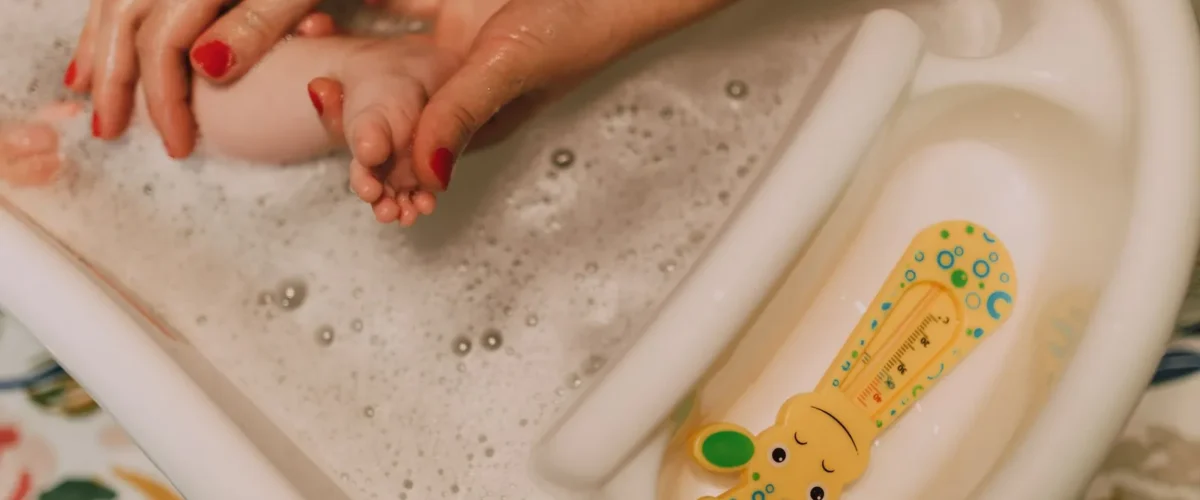
Use a Baby Bath Thermometer: Invest in a reliable baby bath thermometer that measures temperatures accurately and quickly. This tool helps you monitor the water temperature precisely without needing to touch it directly.
-
Test the Water Temperature: Before placing your baby in the bathtub, test the water with your elbow or wrist. The water should feel warm but not hot—ideally around 98°F (37°C) to 100°F (38°C). This range is comfortable for babies and reduces the risk of scalding.
-
Adjust Water Temperature Gradually: If you need to adjust the temperature, do so gradually by adding cooler water rather than hot water to avoid sudden changes that could be uncomfortable or unsafe.
-
Maintain Consistent Temperature: Keep an eye on the water temperature throughout bath time, as it can cool down quickly in a large tub. Adding warm water periodically helps maintain a comfortable and safe environment for your baby.
-
Consider Water Quality: Ensure the water is clean and free from contaminants that could irritate your baby’s skin or cause infections.
By following these guidelines, you can create a safer and more enjoyable bath time experience for your little one.
Top Picks and Why They Stand Out
When considering safety in your baby’s bath time, one of the most critical factors is maintaining an appropriate water temperature to prevent scalding or hypothermia. The ideal bath water temperature for infants should be between 98°F (36.7°C) and 100°F (37.8°C). This range ensures that your baby feels comfortable while also being safe from potential burns.
To help you maintain this optimal temperature, consider investing in a reliable thermometer designed specifically for bath time. Look for thermometers with easy-to-read digital displays and flexible probes that can be easily inserted into the water without disturbing your baby. Some models come with automatic shut-off features to save battery life when not in use, making them convenient for daily use.
Another essential tool is a temperature-controlled infant bathtub or a faucet-mounted safety valve. These devices help regulate the water flow and prevent sudden changes in temperature that could cause discomfort or injury. Opt for products that are easy to install and have adjustable settings to accommodate different bath needs as your baby grows.
By incorporating these tools into your routine, you can ensure a safe and enjoyable bathing experience for your little one.
How to Choose the Right One
Ensuring your baby’s safety during bath time is crucial, and maintaining an appropriate water temperature is a key factor in preventing burns and ensuring comfort. Here’s how to choose the right approach:
-
Ideal Temperature Range: The recommended safe bathing temperature for infants ranges between 98°F (36.7°C) and 100°F (37.8°C). This range ensures that your baby is neither too cold nor at risk of scalding.
-
Use a Bath Thermometer: Invest in a reliable bath thermometer to accurately measure the water temperature before placing your baby in the tub. Look for thermometers that are specifically designed for infants and feature easy-to-read scales and quick response times.
-
Test the Water Temperature: Always test the water with your elbow or wrist, as these areas are more sensitive than fingertips and better at detecting extreme temperatures. Ensure the water feels comfortably warm but not hot to the touch.
-
Adjust Hot Water Settings: If you’re concerned about accidentally setting the bath temperature too high, consider adjusting your home’s hot water heater settings to a maximum of 120°F (49°C). This precaution helps prevent accidental scalding from tap water as well.
-
Safety First: Prioritize safety by ensuring that all necessary precautions are in place before each bath. Use non-slip mats and ensure the bathroom is free from hazards like loose cords or slippery surfaces.
By following these guidelines, you can create a safe and enjoyable bathing environment for your baby.
What to Avoid
When bathing your baby, ensuring the safety of the water temperature is crucial. Here are some key points to keep in mind:
-
Avoid Scalding: The most critical aspect to avoid is scalding injuries caused by water that is too hot. A safe bathwater temperature for infants should be between 98°F (36°C) and 100°F (37°C). Always test the water with your elbow or a thermometer before placing your baby in the tub.
-
Avoid Rapid Temperature Changes: Do not add cold water to already hot water, as this can create temperature gradients that might cause discomfort or injury. Instead, mix cooler and warmer water gradually until you reach the ideal temperature range.
-
Avoid Overheating Your Baby: While it’s important for the bathwater to be warm enough, overheating your baby is equally dangerous. A baby’s skin is more sensitive than an adult’s, and they can overheat quickly if the room or water is too warm. Ensure that the bathroom temperature is comfortable and not excessively hot.
-
Avoid Distractions: Never leave your baby unattended in the bathtub, even for a moment. Distracted moments are when accidents often occur. Always keep one hand on your baby during bath time to prevent any slips or falls into the water.
-
Avoid Hard Water Issues: If you live in an area with hard water, consider using a water softener or adding products specifically designed to reduce mineral content and make bathing more comfortable for your baby’s sensitive skin.
By being mindful of these points, you can ensure that bath time is both enjoyable and safe for your little one.
Frequently Asked Questions
Q: What is the safest temperature range for baby bathwater?
A: The safest temperature range for a baby’s bath water is between 97°F and 100°F (36°C to 38°C). This ensures that the water is comfortably warm but not hot enough to cause burns.
Q: How can I accurately measure the temperature of my baby’s bathwater?
A: You can use a specialized bath thermometer designed for infants, which provides an accurate reading and often has a wide range suitable for monitoring bath water temperatures.
Q: Can I rely on my sense of touch alone to determine if the bathwater is safe for my baby?
A: While your sense of touch can give you some indication, it’s not always reliable due to differences in skin sensitivity. Using a thermometer is recommended to ensure the water temperature is within the safe range.
Q: What should I do if the tap water feels too hot or cold before adding it to my baby’s bath?
A: Adjust the water from both hot and cold taps until you achieve the ideal lukewarm temperature, then check with a thermometer. Always mix the water thoroughly before testing its temperature.
Ensuring Accurate Bath Water Temperature Measurement
Ensuring that your baby’s bath water is at the right temperature is crucial for their safety and comfort. The ideal bath water temperature for infants is between 98°F (36.7°C) and 100°F (37.8°C). However, accurately measuring this temperature can be challenging without the proper tools. When selecting a thermometer to monitor your baby’s bath water, look for one that provides instant readings so you don’t have to leave your child unattended while waiting for results. Additionally, choose a thermometer with a wide temperature range and clear markings or digital display for easy reading. Some thermometers are designed specifically for infant baths and come with features like waterproof casing and safety certifications. Make sure the thermometer is easy to clean and store, as these factors contribute to its longevity and practicality in daily use.