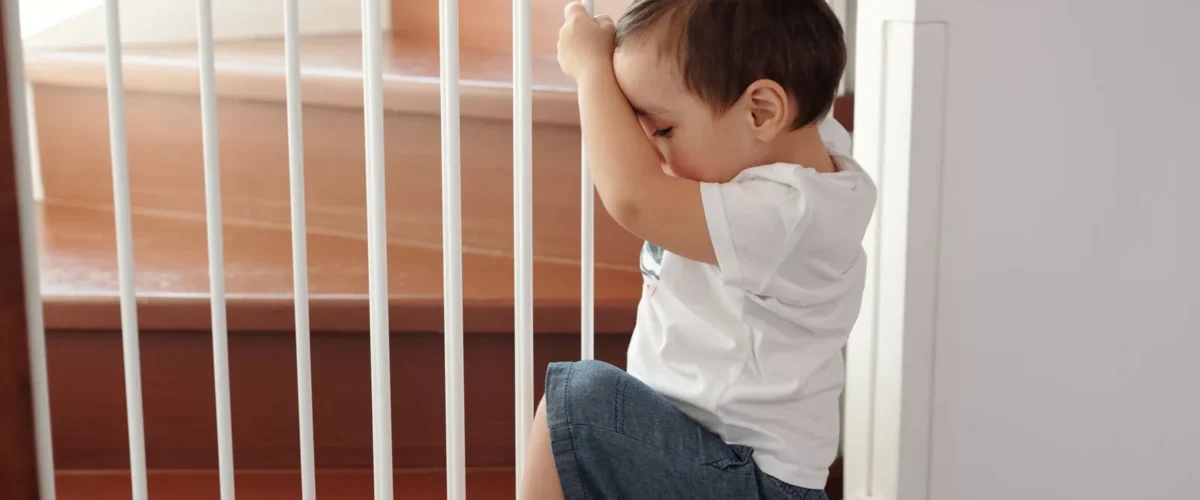
Best Extra Wide Baby Gate
Looking for best extra wide baby gate? Here’s what actually matters before you spend. When choosing an extra-wide baby gate, safety should be your top priority. Look for gates that span at least 42 inches to cover wider openings effectively. Ensure the gate meets current safety standards and has a sturdy latch mechanism that’s secure but still easy for an adult to operate with one hand.
When choosing an extra-wide baby gate, safety should be your top priority. Look for gates that span at least 42 inches to cover wider openings effectively. Ensure the gate meets current safety standards and has a secure pressure mount or hardware installation option. Opt for models with durable materials and easy-to-use mechanisms, such as push-button release or swing-open designs, for added convenience.
What to Look for in Best Extra Wide Baby Gate
When choosing an extra-wide baby gate, safety should be your top priority. Here are key features to consider:
-
Width: Ensure the gate is at least 42 inches (3.5 feet) wide or more if you need it to cover larger openings like doorways and staircases.
-
Stability: Look for gates that have a sturdy base with multiple mounting points, which helps prevent tipping over when your child leans on it. Some models come with additional wall anchors for extra security.
-
Ease of Use: Opt for gates that are easy to open and close without tools. Pressure-mounted gates can be convenient if you don’t want to drill holes in walls, but ensure they provide adequate support.
-
Material Quality: Choose a gate made from durable materials like metal or sturdy plastic to withstand daily use and wear. Avoid flimsy plastics that may bend easily under pressure.
-
Safety Certifications: Look for gates that meet recognized safety standards such as ASTM F1782-19 (USA) or EN 1930:2011+A1:2016 (Europe). While specific certifications might not be listed, reputable brands often adhere to these guidelines.
-
Interlocking Mechanism: Ensure the gate has a secure interlock system that prevents it from opening accidentally when bumped.
-
Adjustability: Consider gates with adjustable height settings so they can fit various doorways and staircases as your child grows and needs change.
-
Portability: If you need to move the gate frequently, look for lightweight models or those with a carrying handle.
By focusing on these criteria, you can find an extra-wide baby gate that provides both safety and convenience in your home.
Top Picks and Why They Stand Out
When choosing an extra-wide baby gate, it’s crucial to consider both safety features and ease of use. Here are some top criteria to look for:
-
Width: Ensure the gate is at least 42 inches wide or more to cover wider doorways and staircases effectively.
-
Pressure Mounting vs. Hardware Installation: Pressure-mounted gates do not require drilling holes, making them easy to install in temporary locations. However, hardware-mounted gates offer greater stability for long-term use.
-
Safety Certification: Look for gates that meet safety standards such as ASTM F405-17 or similar recognized certifications. These ensure the gate has been rigorously tested and meets industry safety guidelines.
-
Mesh Material: Opt for a mesh material that is durable yet soft to touch, preventing pinched fingers while ensuring no small objects can pass through.
-
Ease of Use: Consider gates with quick-release mechanisms or one-handed operation for easy opening and closing when you need to pass through quickly.
-
Adjustability: Choose a gate that adjusts in height if needed, allowing it to fit various doorways and staircases as your child grows.
-
Additional Features: Some gates come with additional features like lockable latches or built-in alarms for added safety and peace of mind.
By focusing on these criteria, you can find an extra-wide baby gate that provides both security and convenience for your growing family.
How to Choose the Right One
When selecting an extra-wide baby gate, it’s crucial to prioritize safety and ease of use. Here are key factors to consider:
-
Width: Ensure the gate is at least 42 inches (3.5 feet) wide or more if you need coverage for wider doorways or staircases.
-
Safety Standards: Look for gates that meet recognized safety standards such as ASTM F2087 and ICS ID 39.120.60, which ensure the gate has been rigorously tested to prevent injuries.
-
Pressure Fit vs. Hardware Installation: Decide whether you need a pressure-fit gate (which doesn’t require drilling holes) or one that installs with hardware for added stability in wide openings.
-
Material and Durability: Opt for gates made from sturdy materials like steel or durable plastic. Check if the material is non-toxic and easy to clean.
-
Ease of Use: Consider whether you need a gate that opens and closes easily, perhaps with an automatic feature or a simple push-button mechanism.
-
Height: Ensure the gate is tall enough—typically around 30 inches—to prevent climbing toddlers from getting over it.
-
Compatibility: Some gates may not fit all door frames due to thickness or design. Measure your doorway and check if the gate fits snugly without gaps underneath.
-
Portability: If you need to move the gate frequently, look for lightweight models that are easy to carry and set up in different locations.
By considering these factors, you can choose a baby gate that provides optimal safety while fitting seamlessly into your home environment.
What to Avoid
When shopping for an extra-wide baby gate, there are several factors to consider to ensure you choose a safe and effective product:
-
Stability: Look for gates that have sturdy construction and secure mounting options. Avoid models with flimsy frames or inadequate wall anchors, as they may not provide the necessary stability.
-
Height: Ensure the gate is tall enough to prevent your child from climbing over it. A height of at least 30 inches (76 cm) is generally recommended for older toddlers and young children who are more likely to climb.
-
Ease of Use: Opt for gates that open and close smoothly without requiring excessive force or complicated mechanisms. Avoid models with difficult-to-operate latches, as they can be frustrating to use and may not always engage properly.
-
Material Quality: Choose gates made from durable materials like metal or high-quality plastic. Avoid flimsy plastics or thin metals that could bend or break easily under pressure.
-
Installation Complexity: Look for gates with clear installation instructions and easy-to-follow steps. Avoid models that require extensive tools, multiple parts, or complex assembly processes.
-
Compatibility: Ensure the gate is compatible with your home’s doorways and staircases. Avoid purchasing a gate without first measuring the width of the area where it will be installed to ensure proper fit.
-
Safety Certifications: While not naming specific certifications, look for gates that meet recognized safety standards such as those set by organizations like ASTM International or similar bodies in your region.
By focusing on these criteria, you can avoid common pitfalls and select a baby gate that provides the best protection for your child while being easy to use and maintain.
Frequently Asked Questions
Q: What should I look for when choosing an extra-wide baby gate?
A: When selecting an extra-wide baby gate, consider its stability and ease of installation. Look for gates that are at least 42 inches wide to accommodate larger doorways or staircases.
Q: Are there specific safety features I should prioritize in an extra-wide baby gate?
A: Prioritize safety features such as a secure locking mechanism and pressure-mounted or hardware-mounted options depending on your needs. Ensure the gate is ASTM International certified for added peace of mind regarding safety standards.
Q: How do I know if an extra-wide baby gate will fit my doorway properly?
A: Measure the width of your doorway to ensure it matches the manufacturer’s specifications for the widest part of your entryway. Some gates offer adjustable widths or come in multiple sizes to better fit various doorways.
Q: Can you recommend any features that make an extra-wide baby gate easier to use on a daily basis?
A: Look for gates with quick-release mechanisms and easy-to-grasp handles, which can help streamline the process of opening and closing them. Additionally, gates with pressure-mounted installation are often quicker to set up compared to hardware-mounted options.